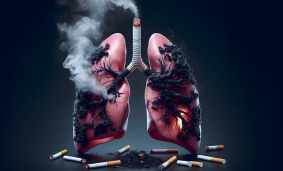
Although a lung cancer diagnosis can be very serious, modern medicine has made remarkable advances in lung cancer treatment. Early detection and prevention remain the most important goals. Here, you can learn about the key symptoms of this disease and the most effective ways to manage and combat it.
What is lung cancer?
Lung cancer occurs when the cells in the lung tissue grow uncontrollably and abnormally. Normally, the cells in our body grow, divide, and die in a regulated manner. In cancer, this regulation is disrupted, causing abnormal cells to accumulate and form a tumor. This tumor can later spread to nearby organs and even to other parts of the body (metastasis).
The lungs perform the vital function of absorbing oxygen and removing carbon dioxide from the body, making their health of utmost importance.
Types of lung cancer
When diagnosing, the first step for the doctor is to determine the type of tumor, as the type of lung cancer completely influences the treatment strategy.
- Most Common Type (Non-Small Cell Lung Cancer): This is the main type of lung cancer, accounting for approximately 85% of cases. It usually develops more slowly. Promising new treatments, such as targeted therapies and immunotherapy, are used in its management.
- Small Cell Lung Cancer (SCLC): Less common (approximately 10–15%). This type grows very rapidly and spreads quickly. It is almost always directly associated with long-term cigarette smoking.
Symptoms of lung cancer
Unfortunately, the symptoms of lung cancer in its early stages often resemble the flu or a cold, and sometimes there are no symptoms at all. This is why routine screenings are important for people at risk.
The symptoms of lung cancer include the following - if any of these persist for more than three weeks, be sure to consult a doctor:
- Persistent Cough: A cough that doesn’t go away or worsens over time. Smokers often mistake it for a “regular cough.”
- Shortness of Breath: Difficulty breathing as easily as before, sometimes with wheezing.
- Bloody Sputum: Coughing up even a small amount of blood.
- Chest Pain: Persistent pain, especially noticeable when taking deep breaths, coughing, or laughing.
- Unexplained Weight Loss: Losing weight without dieting or any apparent reason.
- Hoarseness: Changes in the voice, including a persistent raspy or hoarse quality.
If you notice any of these symptoms, don't hesitate to seek professional medical attention. Early diagnosis can save your life, and you may want to consider a vitamin check-up package for oncology patients.
Treatment of lung cancer
The treatment of lung cancer is planned individually, depending on the type and stage of the disease, as well as the patient’s overall health. Modern medicine offers several effective treatment options:
- Surgical Treatment: If cancer is detected at an early stage and has not spread, complete surgical removal of the tumor offers the highest chance of recovery.
- Chemotherapy and Radiation Therapy: Chemotherapy uses medications, and radiation therapy uses high-energy rays to destroy cancer cells. These treatments are often used together or before/after surgery.
- Targeted Therapy: These are drugs that specifically target genetic changes (mutations) in cancer cells, such as EGFR or ALK. This approach allows for a more precise treatment with minimal harm to normal cells.
- Immunotherapy: This treatment strengthens the body’s own immune system to fight cancer. It is considered one of the most significant advancements in recent years and has shown excellent results even in advanced stages.