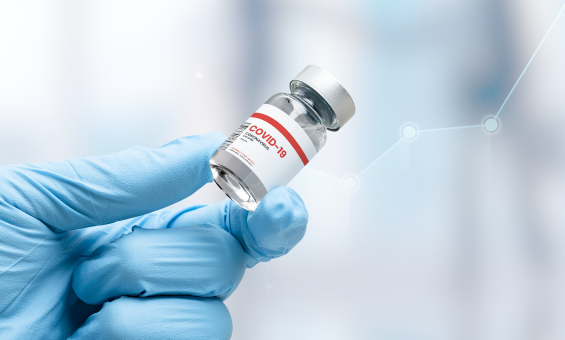
COVID-19, a novel coronavirus disease caused by the SARS-CoV-2 virus, was first identified in December 2019. It is an acute respiratory illness resulting from a new strain of coronavirus. The disease poses a higher risk for individuals with weakened immune systems, particularly newborns, children, the elderly, and those with hypertension, diabetes mellitus, and chronic respiratory conditions. After entering the body, the virus begins to replicate in the epithelium of the upper and lower respiratory tract. This leads to diffuse damage of alveocytes (cells located in the lungs) and the development of pneumonia. At the same time, the permeability of cell membranes increases, resulting in interstitial and alveolar edema, as well as alveolar collapse. Consequently, normal gas exchange is impaired, which may lead to acute respiratory distress syndrome (difficulty in breathing).
Within approximately two weeks after infection, the main symptoms of COVID-19 may appear, including fever, cough, shortness of breath, and diarrhea. Other symptoms may include runny nose, loss of smell, headache, weakness, and nausea.
What is the loss of taste and smell?
Smell is detected through olfactory cells in the nose, while taste is perceived through taste buds located in the mouth and throat. Both types of cells naturally decline after the age of 60. In addition, loss of smell and taste may occur due to factors such as unintentional weight loss, poor dietary habits, and depression.
The most common smell and taste disorders are:
- Anosmia: complete loss of the sense of smell
- Ageusia: complete loss of the sense of taste
- Hyposmia: reduced sense of smell
- Hypogeusia: reduced ability to taste sweet, sour, bitter, or salty substances
Loss of smell and taste is not a common illness on its own. In other conditions, smells and tastes may be perceived incorrectly or become distorted. This can cause normally pleasant tastes or odors to seem unpleasant. These disorders can affect your quality of life and, depending on other underlying health conditions, may indicate more serious diseases.
One of the serious health conditions associated with loss of smell and taste is the novel coronavirus (COVID-19) infection. Since the beginning of the coronavirus pandemic, a wide range of symptoms have been identified. Research has shown that most people infected with coronavirus experience loss of smell and taste. Inability to smell through the nose, severe smell disturbances, and loss of taste are among the symptoms of COVID-19. These symptoms may occur alongside other signs of the infection or may appear on their own.
What are the symptoms of loss of taste and smell?
Symptoms of loss of taste and smell can range from an inability to smell or taste, to a reduced ability to smell or taste sweet, sour, bitter, or salty substances. In some cases, normally pleasant aromas or smells may be perceived as unpleasant.
Causes of Smell and Taste Loss
Although some individuals may be born with these conditions, most cases of smell and taste loss are caused by the following factors:
- Illnesses (such as the common cold or flu, sinus infections, and allergies)
- Head or brain trauma
- Hormonal changes
- Dental or oral health problems
- Nasal polyps
- Exposure to certain chemicals
- Certain medications
- Therapeutic radiation exposure for head or neck cancer
- Cocaine use
- Smoking
Smell and Taste Loss in Coronavirus Infection
Since the beginning of the coronavirus pandemic, it has been observed that many infected individuals experience a loss of smell and taste. However, this issue is not limited only to severe cases. It has also been identified as a common and even “cardinal” symptom among people with mild COVID-19 infection. Cardinal symptoms are the key signs used in establishing a diagnosis.
In a study conducted on European patients with mild to moderate coronavirus infection, 86% of patients reported problems with their sense of smell. In addition, changes in taste perception were also observed.
Common colds and respiratory viral infections can sometimes lead to loss of smell. It is known that loss of smell, called anosmia, can also result in a reduced sense of taste. However, it is also possible that coronavirus may directly affect the sense of taste.
When does the loss of taste and smell end in coronavirus?
Studies have shown that 27% of patients experience improvement in their sense of smell within a week, with most recovering within the first 10 days.
Although most coronavirus patients recover completely from their loss of taste and smell, some patients may experience permanent loss of taste and smell. Some patients may regain some of their sense of smell. The prevalence of this symptom is concerning. This is because loss of smell is not something to be taken lightly and can have a negative impact on daily life.
Methods for Restoring Smell and Taste After Coronavirus Infection
There are currently no specific medications that can directly restore the sense of smell after infection. However, olfactory training may have a positive effect.
Olfactory training is the process of regularly exposing yourself to strong scents with the hope of helping to restore or at least improve the sense of smell over time. Strong fragrances such as rose, eucalyptus, lemon, and clove are commonly recommended.
Do Common Cold and Flu Cause Loss of Smell and Taste? Differences from COVID-19
European researchers suggest that the loss of smell associated with coronavirus infection is unique and differs from that seen in common cold or influenza. In COVID-19 patients, the loss of smell often occurs suddenly and severely. The infection may lead to smell loss by affecting the brain and nervous system, sometimes without causing nasal congestion.
Another distinguishing feature of COVID-19-related sensory loss is a true loss of taste. While taste is often affected due to impaired smell perception, patients with COVID-19 may also be unable to distinguish between bitter and sweet flavors.
Experts report that coronavirus has a direct effect on the sense of smell and taste, potentially by impacting nerve cells.
If you experience sudden loss of smell or taste, COVID-19 should be considered as a possible cause. Other common symptoms of coronavirus include high fever, a new and persistent cough, and fatigue.