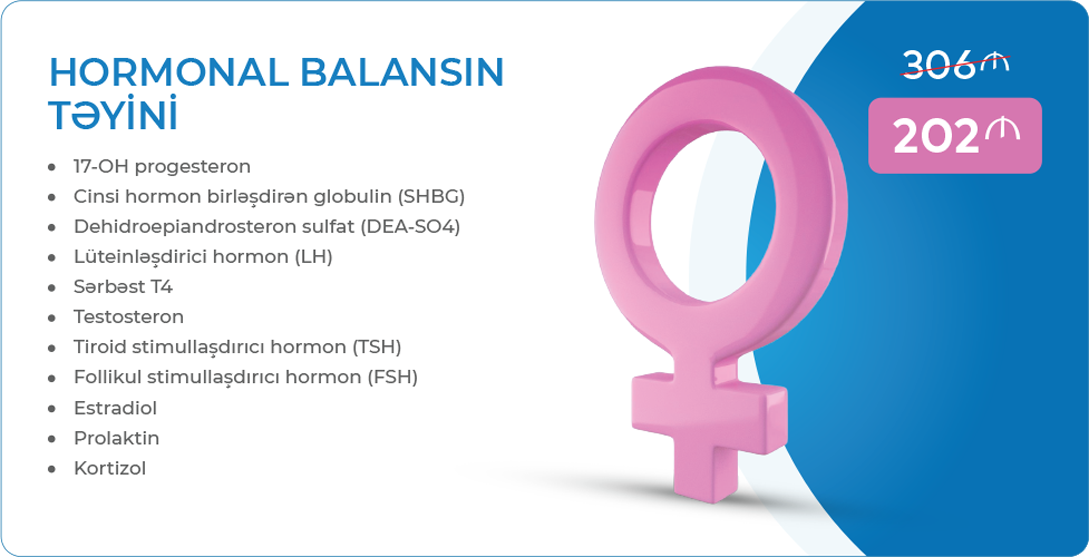
Estradiol (E2) is a steroid-based estrogen hormone and the primary female sex hormone in women with normal hormonal balance. It is also known as 17-beta estradiol. Estradiol is secreted mainly by developing ovarian follicles and plays an important role in the development and maintenance of the uterus, fallopian tubes, and vagina. It is essential for regulating the menstrual cycle. Although it is considered the main female sex hormone, estradiol also has important functions in males.
Blood estradiol levels influence the development and function of the female and male reproductive systems. In women, this test is used to evaluate reproductive health, puberty, and menopausal status.
Abnormally high or low estradiol (E2) levels may affect the following organs and functions:
- Uterus
- Fallopian tubes
- Female reproductive organs
- Mammary glands
- External female reproductive structures
- Distribution of body fat
- Sperm cells
- Sexual function
Estradiol is also important for bone and joint health in women. In addition, it plays a significant role in body fat distribution, which is particularly important in female physiology.
When is an Estradiol Test Ordered?
An estradiol test alone is not sufficient to establish a diagnosis. However, it can provide important guidance for further medical evaluation.
An estradiol test may be ordered to investigate the causes of the following conditions:
- Evaluation of the function of the ovaries, placenta, or adrenal glands
- Abnormal development of secondary sexual characteristics, such as excessive or reduced underarm hair growth or breast development in females and males
- Abnormal menstrual cycles
- Amenorrhea (absence of menstruation)
- Abnormal vaginal bleeding
- Postmenopausal bleeding
- Infertility in women
- Premenopausal symptoms such as hot flashes, night sweats, and irregular menstruation
- Menopausal conditions where menstruation has completely stopped and symptoms of menopause are present
- Individuals with delayed or abnormal development of female or male sexual characteristics
- Ovarian tumors (estradiol levels may be checked if symptoms suggest an ovarian tumor)
- Decreased ovarian function (ovarian hypofunction)
- Early or delayed puberty (if a child is suspected of entering puberty earlier or later than expected). Elevated estradiol levels may indicate early puberty, also known as precocious puberty
- To determine the cause of elevated estrogen levels in males
- Monitoring hormone therapy in postmenopausal women
- Monitoring the progress of fertility treatment in women
Causes of Elevated Estradiol Hormone Levels
An increase in estradiol levels usually indicates excessive hormone production, most commonly originating from the ovaries, where this hormone is primarily secreted. Elevated estradiol levels in the blood may occur in various gynecological conditions, including endometriosis and cancers of the female reproductive organs.
Conditions that may cause increased estradiol levels include:
- Precocious puberty (early onset of puberty)
- Tumors of the ovaries or testes
- Adrenal gland tumors
- Breast cancer
- Gynecomastia (enlargement of breast tissue in males)
- Hyperthyroidism (overactive thyroid gland)
- Pregnancy
- Liver cirrhosis or severe liver disease
In cases of liver dysfunction, the impaired metabolism and clearance of hormones can lead to increased estradiol levels in the blood.
What are the causes of low estradiol levels in the blood?
Usually, low estradiol levels in the blood indicate that the ovaries are not functioning properly. We can list the conditions that cause this as follows:
- Climax or menopause: During and after menopause, a woman's body gradually produces less estrogen and estradiol, which causes certain symptoms during menopause. By looking at the estradiol level, it can be determined whether a person is ready to enter menopause or is currently in the transition phase.
- Turner syndrome: Women normally have two X chromosomes. Women with Turner syndrome have only one X chromosome instead of two. Turner syndrome is a genetic disease and patients have low E2 levels in their blood.
- Ovarian failure or premature menopause. It occurs when the ovaries stop working before the age of 40. This condition can be caused by genetic diseases, toxins or autoimmune diseases.
- Polycystic ovary syndrome (PCOS): The main cause of infertility in women. It is a hormonal disease that causes a wide variety of complaints.
- Low body fat percentage
- Excessive exercise and being underweight
- Chronic kidney disease
- Hypopituitarism: An underactive pituitary gland. This gland secretes hormones that stimulate the release of E2 from the ovaries.
- Hypogonadism: A condition that occurs when the ovaries or testicles do not produce enough hormones
- Delayed puberty: Low estradiol levels may indicate late puberty.
What are the symptoms of low estradiol?
Low estrogen levels are more commonly observed in girls before puberty and in women approaching menopause. A decrease in estrogen and estradiol (E2) levels in the blood may lead to the following symptoms:
- Fatigue
- Weakness
- Depressive mood
- Difficulty concentrating
- Frequent urinary tract infections
- Irregular menstrual cycle
- Absence of menstruation (amenorrhea)
- Breast tenderness
- Headaches
- Night sweats
- Increased risk of bone fragility or fractures
Important note before testing: Before undergoing analysis, medications that may affect E2 hormone levels should be discontinued only under a doctor’s supervision. Blood samples are ideally collected in the early follicular phase of the menstrual cycle (usually days 2-5), in the morning on an empty stomach, and when the body is not under significant stress.
For questions about estradiol analysis and other questions, as well as to register online, you can contact our Call Center at (012) 910 or our Whatsapp number at (055) 4000 910.