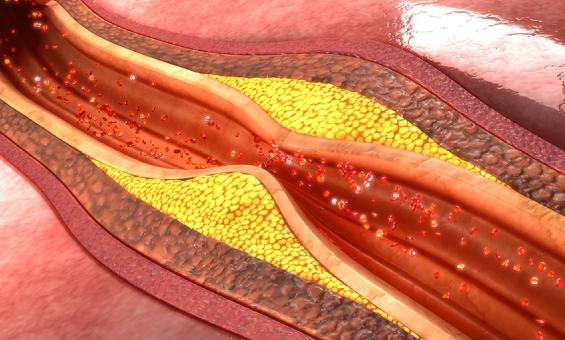
Diabetes, one of the most common diseases of our time, is a condition that contributes to the development of many serious health problems and is prevalent worldwide. The main indicator of this disease is an elevated level of sugar (glucose) in the blood. Diabetes occurs when the hormone insulin is either insufficiently produced or not produced at all, or when the body’s tissues become resistant to insulin. Among the various types of diabetes, the most common is Type 2 diabetes, which usually develops after the age of 35–40. In Type 2 diabetes, although the pancreas produces enough insulin, the cells lose their sensitivity to it due to malfunctioning insulin receptors. At this point, sugar (glucose) cannot be transported into the cells by insulin and the amount of glucose in the blood begins to increase.This condition often manifests through symptoms such as dry mouth, unexplained weight loss, excessive thirst, and increased appetite. Prolonged high blood sugar can cause permanent damage to multiple organs, particularly affecting the cardiovascular system, kidneys, and eyes.
What are the symptoms of diabetes?
Diabetes usually manifests through three main signs: excessive hunger and inability to feel full, frequent urination, and dry mouth accompanied by an increased thirst. Other symptoms that may also occur include:
- Fatigue and weakness
- Rapid weight loss
- Blurred vision
- Numbness in the feet
- Slow-healing wounds
- Dry skin
- Acetone-like odor from the mouth
What are the causes of diabetes?
Diabetes develops as a result of a combination of genetic and environmental factors, according to numerous studies on the causes of the disease. Diabetes is mainly classified into two types: Type 1 and Type 2, and the underlying causes differ depending on the type. In Type 1 diabetes, genetic factors play a significant role. However, viruses that damage the pancreas (the organ responsible for insulin production) and a malfunctioning immune system are also contributing factors. Type 2 diabetes, which is more common among the population, is associated with the following risk factors:
- Excess body weight
- Family history of diabetes
- Sedentary lifestyle
- Stress
- During pregnancy, the development of gestational diabetes
Types of Diabetes
Type 1 Diabetes (Insulin-Dependent Diabetes): This form of diabetes usually develops in childhood and occurs when the pancreas produces little or no insulin. Patients with Type 1 diabetes require external insulin administration to manage their blood sugar levels.
Type 2 Diabetes: This type of diabetes develops when the body's cells become resistant to the insulin hormone, which regulates blood sugar. Type 2 diabetes is the most common form in adults.
Latent Autoimmune Diabetes (LADA): This form of diabetes is similar to Type 1 and occurs due to an autoimmune disorder, where the body’s immune system mistakenly attacks its own insulin-producing cells.
Prediabetes (also known as “hidden diabetes”): This is a stage in which blood sugar levels are higher than normal but not yet high enough to be classified as Type 2 diabetes. With proper treatment and lifestyle adjustments, the progression to full diabetes can be prevented or delayed.
How should diabetics eat?
For people with diabetes, daily intake of carbohydrates, fats, and proteins should be properly balanced. A diet based solely on protein can cause serious health issues. It is recommended to have three main meals and three snacks per day. During snacks, proteins and carbohydrates should be consumed together - for example, one fresh fruit paired with a serving of yogurt or buttermilk. Main meals should include foods rich in calcium. Consuming low-fat yogurt or buttermilk at every meal helps stabilize blood sugar, preventing sudden spikes or drops.
Some foods particularly beneficial for people with diabetes include:
- Nuts: Rich in healthy fats, nuts can help regulate blood sugar when consumed in moderation.
- Fish: Considered one of the healthiest foods, fish is an excellent source of Omega-3 fatty acids, which are beneficial not only for people with diabetes but for overall health.
- Red fruits: High in antioxidants and fiber, red fruits support insulin production in Type 2 diabetes and help maintain stable blood sugar in Type 1 diabetes.
- Green leafy vegetables: Vegetables like kale and broccoli are low in carbohydrates, making them ideal for blood sugar control.
- Avocado: A rich source of Omega-3, avocado supports heart health and blood pressure management while also aiding in blood sugar regulation in people with diabetes.
- Yogurt: A staple in our kitchens, yogurt is essential in daily nutrition due to its high calcium content. Studies also show that it may help reduce the risk of Type 2 diabetes.
- Tea: Experts recommend consuming green or black tea daily, as long as it is unsweetened. Its high antioxidant content helps regulate blood sugar levels.
- Flaxseeds: Rich in healthy fats, fiber, and protein, flaxseeds are one of the most recommended foods for managing diabetes.
- Apple: Apples are important for those with high cholesterol or heart conditions. They help balance blood sugar and act as a hidden ally in diabetes management.
- Garlic: Garlic reduces cancer risk, balances cholesterol, and regulates blood pressure. It is therefore recommended as part of a diabetes-friendly diet.
- Spinach: Thanks to its fiber-rich green leaves, spinach is highly recommended for people with diabetes.
- Dark Chocolate: Low-sugar, high-cocoa dark chocolate not only provides antioxidants but also helps reduce insulin resistance.
- Asparagus: Asparagus, which is trying to gain a new place in Turkish cuisine, is especially recommended for Type 2 diabetics as it increases insulin production.
- Cinnamon: Cinnamon is a spice that can satisfy your sweet cravings. In addition, studies have shown that cinnamon helps regulate blood sugar levels.
- Oats: Rich in fiber, oats play a role in balancing the high carbohydrate content in the diet.
- Legumes: High in fiber, legumes are a food group that everyone - not just people with diabetes - should consume at least twice a week. With a low carbohydrate content, these foods help stabilize blood sugar levels.
- Broccoli: It wouldn’t be wrong to call broccoli a vegetable for diabetes. Naturally helping to combat diabetes, broccoli not only balances blood sugar but also meets daily vitamin C requirements.
How is diabetes diagnosed?
The two most important tests used to diagnose diabetes are the fasting blood sugar test and the glucose tolerance test, also known as the glucose load test. These tests are performed under laboratory conditions for the most accurate results. In healthy individuals, fasting blood glucose levels range between 70–100 mg/dL. A result of 126 mg/dL or higher indicates diabetes. If the fasting glucose level is between 100–126 mg/dL, a glucose tolerance test is performed to evaluate blood sugar levels after eating. During this test, blood glucose is measured two hours after the start of a meal. A result of 200 mg/dL or higher indicates diabetes, while a result between 140–199 mg/dL indicates prediabetes, also known as impaired glucose tolerance. Additionally, HbA1c (glycated hemoglobin) testing, which reflects average blood glucose levels over the past three months, should also be considered. After these measurements, the underlying cause of elevated blood sugar is further investigated. Tests for insulin levels and insulin resistance may also be required.
Ways to Detect Diabetes Early
The symptoms of diabetes can often be mild and go unnoticed in the early stages. The most common signs include:
- Frequent thirst
- Dry mouth
- Frequent urination
- Unexplained weight loss
- Fatigue
- Slow-healing wounds
In some cases, skin itching and blurred vision may also occur. When the symptoms of diabetes are recognized and evaluated in time, the condition can be detected at an early stage and complications can be prevented. Regular blood glucose monitoring, periodic testing for individuals in risk groups, and maintaining a healthy lifestyle play a crucial role in early diagnosis. Early detection also helps reduce the risk of future complications affecting the cardiovascular system, kidneys, and nervous system.
What are the effective ways to reduce diabetes?
If symptoms of diabetes are present or a diagnosis has been confirmed, lifestyle changes are a key step in managing the condition. A balanced diet, limiting sugar and fast-digesting carbohydrates, regular physical activity, and maintaining a healthy weight can help stabilize blood sugar levels. In addition, medication or insulin therapy should be used correctly under a doctor’s supervision. The risk of complications increases when symptoms of diabetes are left uncontrolled, so regular medical monitoring is important. If you or your loved ones notice symptoms of diabetes, you can benefit from expert examination and treatment at Saglam Aile Medical Center.