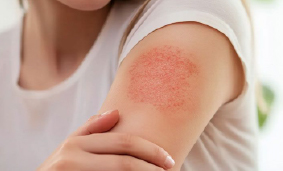
Allergies are a widespread health issue affecting millions of people worldwide. Skin allergies in particular - such as contact dermatitis, hives, or eczema - can cause significant discomfort and severely impact quality of life. These conditions occur when the body’s immune system overreacts to substances that are normally harmless (allergens), leading to various allergy symptoms.
Here, we will delve into the causes of skin allergies, explain the most common allergy rashes, and explain how to read the results of allergy analysis (especially the IgE test) used for diagnosis.
What is Skin Allergy and How Does It Occur?
Skin allergy is a reaction that occurs when our immune system perceives a certain substance as a threat and releases chemicals such as histamine to fight it. These chemicals then cause common allergy symptoms on the skin, including redness, itching, and swelling.
The Most Common Types of Skin Allergies:
- Contact Dermatitis: This is the most common form of skin allergy. It occurs when the skin comes into direct contact with an allergen (such as nickel, cosmetics, or detergent), leading to redness, itching, and fluid-filled blisters.
- Atopic Dermatitis (Eczema): A chronic condition that usually begins in childhood and is characterized by dry, itchy, and inflamed patches of skin. It is a genetic type of skin allergy.
Skin Allergy Symptoms:
The skin manifestations of allergies can vary, but the most common allergy symptoms include:
Severe and unbearable itching.
Redness and swelling (edema).
Blisters, oozing sores, or dry, crusty areas.
Hard, thickened patches of skin (due to chronic itching).
What Are the Causes of Allergies?
The development of allergies depends on the interaction between genetic predisposition and environmental factors. Substances that trigger the immune system’s response are called allergens. These allergens can enter the body through various routes.
Common Allergens:
Allergen Group | Examples | Route of Exposure |
Contact Allergens | Nickel (jewelry), latex, cosmetics, paints, household cleaners. | Direct contact with skin |
Food Allergens | Milk, eggs, nuts, seafood, wheat. | Absorption through the digestive system |
Airborne Allergens | Plant pollen, house dust mites, mold fungi, animal dander. | Respiratory tract (inhalation) |
Drug Allergens | Some antibiotics (especially penicillin) and painkillers. | Oral administration |
The most important step in treating skin allergies is to identify which allergen is causing the reaction and avoid it.
Allergy Analysis and IgE Testing: Diagnosis and Interpretation of Results
To identify the cause of an allergy, doctors prescribe various allergy tests. These tests allow for precise determination of the source of the allergy on the skin.
Main Allergy Tests:
- Skin Test (Prick Test): This is the fastest and most commonly used type of allergy test. A few drops of allergen extract are placed on the skin and the skin is lightly pricked. The appearance of redness and swelling on the skin within 15-20 minutes indicates a positive reaction.
- Blood Test (Specific IgE Analysis): Used for people who have severe skin reactions or are taking medications. Also known as an allergy analysis, this test measures the level of specific Immunoglobulin E (IgE) antibodies produced in the blood against a particular allergen.
Analysis Results: What Does the IgE Test Mean?
If the IgE level in test results is high, it indicates that the body is sensitive to an allergen.
- Total IgE: Measures the overall amount of IgE antibodies in the blood. Elevated levels may occur in allergic conditions, parasitic infections, or certain immune disorders. A high Total IgE indicates a general allergic tendency but does not identify the specific allergen.
- Specific IgE: Measures the amount of antibodies produced against a particular allergen (e.g., house dust mites, cow’s milk, or cat dander). This allergy test helps identify the exact substance that is causing the allergy in the skin.
When making a diagnosis, doctors base their diagnosis not only on test results, but also on the patient's complaints and allergy symptoms.
Allergy Treatment and Management Methods
Allergy treatment is aimed at managing symptoms, preventing complications, and minimizing contact with the allergen.
Treatment Methods:
- Antihistamines: Relieve symptoms by blocking the effect of histamine, which causes allergic rashes and itching. (For example, Cetirizine, Loratadine).
- Corticosteroid Creams and Ointments: Used to reduce inflammation, redness, and itching of the skin. Should not be used for prolonged periods without medical supervision.
- Immunotherapy (Allergy Vaccine): A long-term treatment that gradually desensitizes the body to the allergen.
- Moisturizers: Hypoallergenic and fragrance-free creams are used to soften and repair skin damaged by allergies.
Monitoring and Protection:
- Avoidance of Allergens: Once the substance causing the skin allergy (such as nickel, an allergenic food, or detergent) has been identified, complete avoidance of it is the most effective part of treatment.
- Hypoallergenic Products: When choosing cosmetics, soaps, and detergents, opt for products labeled fragrance-free and hypoallergenic.
- Cotton Clothing: Avoid irritating fabrics such as synthetics and wool, and choose comfortable cotton clothing.
If your skin allergy symptoms are severe, recurring, or if your body allergy is causing you to have trouble sleeping, you should definitely see an allergist or dermatologist. Remember, getting a proper allergy test and diagnosis is the first step to restoring your quality of life.