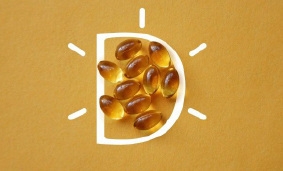
For some people, vitamin D may just sound like the “sunshine vitamin.” But its role in the body goes far deeper. What is vitamin D? It helps the body absorb calcium, strengthens the bones, and supports a healthy immune system. Modern lifestyles - spending long hours indoors, eating an unbalanced diet, and limited exposure to sunlight - can lead to vitamin D deficiency. Research shows that this deficiency can manifest in various ways. However, proper nutrition, timely testing, and taking vitamin D as prescribed by a doctor can help prevent deficiency.
Vitamin D analysis and results
The only accurate way to check your vitamin D levels is with a blood vitamin D test. This test usually measures the “25(OH)D” level. How is the vitamin D test performed? A blood sample is taken in the morning on an empty stomach.
Interpretation of results:
- Below 30 ng/ml - deficiency
- 30–100 ng/ml - normal level
- Above 100 ng/ml - vitamin D excess (hypervitaminosis)
Cause of vitamin D deficiency
Vitamin D deficiency is very common. The causes can vary and include:
- Limited sun exposure
- Poor or unbalanced nutrition
- Liver and kidney disorders
- Obesity and hormonal imbalances
Symptoms: Fatigue, muscle weakness, tooth and bone pain, hair loss, depression (these conditions can be quickly identified through a “Vitamin D blood test”).
Foods rich in Vitamin D: Fish (especially salmon), egg yolk, liver, milk, and dairy products, mushrooms.
Fruits and vegetables containing Vitamin D: Avocado, orange, banana, mushrooms.
Vitamin D excess (hypervitaminosis) - what is it?
Vitamin D is beneficial, but excessive intake can harm the body. This condition is called Vitamin D Hypervitaminosis. The most common cause is the uncontrolled use of vitamin D drops or supplements.
Symptoms:
- Vomiting and nausea
- Muscle pain
- Increased thirst and urination
- Elevated calcium levels (hypercalcemia)
Prevention: Do not take vitamin D supplements or drops without a doctor’s recommendation.
Who is at risk of vitamin D deficiency?
The following groups are at risk:
- People who work indoors
- Individuals with dark skin (vitamin D synthesis in the skin is more difficult)
- Older adults (vitamin D synthesis decreases with age)
- Pregnant and breastfeeding women
- Children at risk of vitamin D deficiency, especially during winter months
- Infants (the question “When should babies start taking vitamin D?” is particularly important)
These risks can be reduced by a healthy lifestyle and proper nutrition. Opt for sources such as fruits with vitamin D, foods with vitamin D, and vitamin D supplements for adults.
The answer to “What is vitamin D?” is not just “the sunshine vitamin.” It is one of the essential pillars for overall health. To prevent deficiency, it is important to have timely testing, consume fruits and vegetables rich in vitamin D, and get balanced exposure to sunlight. In general, it is also crucial to monitor the levels of other vitamins regularly, which you can do through our comprehensive check-up package.