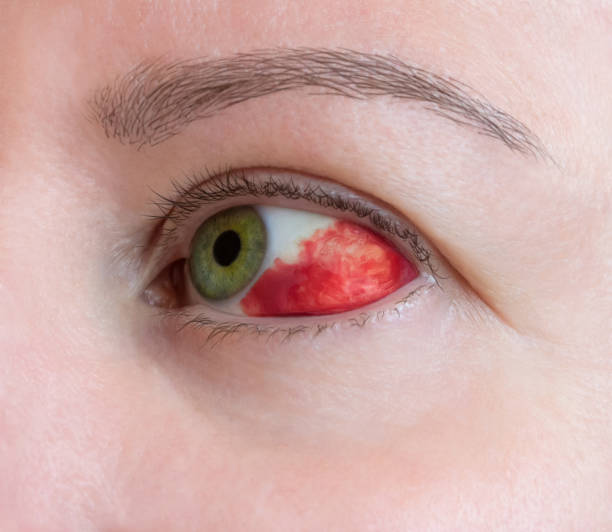
A blood clot in the eye is a condition that can alarm many people, often noticed suddenly in the mirror as redness or a small blood spot. In most cases, it is not dangerous, but sometimes it may indicate a more serious eye problem. It is especially important to pay attention if accompanied by pain, blurred vision, or recurring episodes. Identifying the underlying cause is crucial for protecting your vision and preventing further complications. Therefore, any changes in the eyes should be evaluated promptly and not ignored.
The main causes of a blood clot in the eye
A blood clot in the eye usually occurs due to the rupture of small, delicate blood vessels. Even mild pressure or strain can lead to bleeding in these sensitive vessels.
The most common causes include:
- Severe coughing or sneezing
- High blood pressure
- Rubbing the eyes or mechanical injury
- Fatigue and lack of sleep
- Diabetes and vascular problems
- Trauma or direct impact
While many of these causes are minor, frequent occurrences may indicate an underlying health issue. Therefore, it is recommended to consult a doctor to determine the cause and receive proper treatment.
How does a blood clot in the eye affect vision?
In some cases, a blood clot in the eye causes only cosmetic concerns and does not affect vision. However, if the bleeding occurs in deeper layers of the eye, it can lead to blurred vision, shadows, or decreased visual clarity. Any changes in vision should not be ignored, as they may indicate more than a simple surface issue and require evaluation by a specialist. Prompt attention can help prevent serious complications.
Home care for blood clot in the eye
In mild cases, simple home care measures can help:
- Avoid rubbing your eyes
- Get adequate rest and reduce screen time
- Apply a cold compress
- Monitor your blood pressure
- Use artificial tears (only with a doctor’s recommendation)
These measures can help speed up recovery. However, self-medicating or choosing eye drops on your own is not recommended-professional medical advice is essential.
When to see a doctor
You should seek medical attention promptly in the following situations:
- Severe eye pain
- Decreased or blurred vision
- Bleeding after an eye injury
- Frequent or recurring episodes
- Bleeding in the context of diabetes or high blood pressure
These symptoms may indicate more serious eye or vascular problems. Early examination helps identify the issue in time and protects your vision. If you or your loved ones notice blood in the eye, eye hemorrhage, or a blood spot on the eye, you can get an accurate diagnosis and timely treatment at Saglam Aile Medical Center. Don’t take risks with your eye health - schedule your eye check-up today!