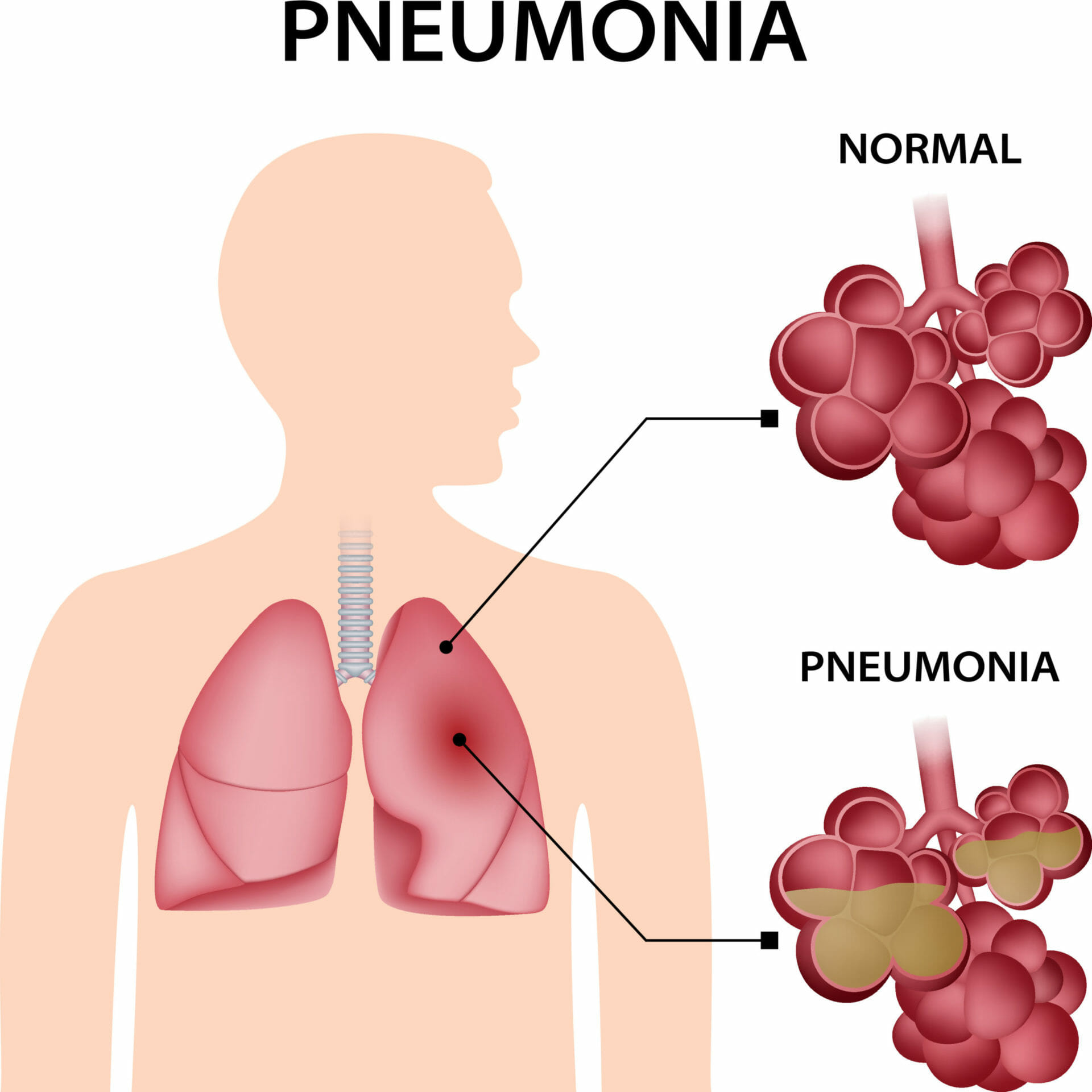
Pneumonia is an inflammatory disease of the lungs, usually caused by bacteria, viruses, or other microorganisms. During this condition, inflammation occurs in the lungs, making breathing difficult. Many people begin to learn about pneumonia when symptoms such as cough, fever, and shortness of breath appear. The inflammation in the lungs can disrupt oxygen exchange, affecting the overall condition of the body. Therefore, pneumonia should be diagnosed and treated promptly.
What are the causes of pneumonia?
Pneumonia can develop for various reasons. The most common causes are bacterial and viral infections. Influenza and other respiratory infections can also sometimes lead to pneumonia. A weakened immune system, colds, and chronic illnesses are additional factors that increase the risk of developing pneumonia.
Who is most at risk?
Pneumonia is more commonly seen in children, older adults, and individuals with weakened immune systems. People with chronic diseases may also be at higher risk. Therefore, symptoms of pneumonia should be closely monitored in these groups, and medical attention should be sought promptly if any signs appear.
What organs are most affected by pneumonia?
Pneumonia mainly affects the lungs. However, in severe cases, the infection can also affect other body systems. Therefore, the disease can lead to serious complications if not treated in time.
What are the main types of pneumonia?
Pneumonia can appear in various forms, and its type depends on the infection’s location, cause, and progression. The most common types of pneumonia include:
- Focal pneumonia - inflammation affecting a specific part (lobe) of the lung, rather than the entire lung.
- Occult pneumonia - a form with mild or unclear symptoms, often detected only through X-rays or laboratory tests.
- Bacterial pneumonia - caused by bacteria and usually characterized by high fever and a strong cough.
- Viral pneumonia - caused by viral infections, particularly influenza and other respiratory viruses.
- Bilateral pneumonia - a more severe form where inflammation develops in both lungs simultaneously.
Accurately identifying the type of pneumonia is essential for planning effective treatment. If symptoms of pneumonia appear, timely medical evaluation is strongly recommended.
What is focal pneumonia and what are the differences?
Focal pneumonia is an inflammation that occurs in a specific part of the lung. In this case, the infection does not affect the entire lung, but a specific focal area. In such cases, the symptoms may sometimes appear milder, but medical examination and treatment are still required.
How is latent pneumonia detected?
Latent pneumonia is sometimes not observed with obvious and strong symptoms. For this reason, the disease can go unnoticed for a long time. Latent pneumonia is often detected through X-ray examination and laboratory tests. Therefore, examination is important in cases of prolonged cough and malaise.
What are the symptoms of pneumonia?
Symptoms of pneumonia can vary depending on the course of the disease. The most common symptoms include high fever, cough, shortness of breath, chest pain, and severe fatigue. In some cases, symptoms such as loss of appetite, shivering, and rapid breathing may also be observed. If these symptoms persist for a long time or become severe, a medical examination is definitely necessary. You can benefit from the expert support of the Saglam Aile Medical Center for the diagnosis and treatment of pneumonia and other respiratory problems.