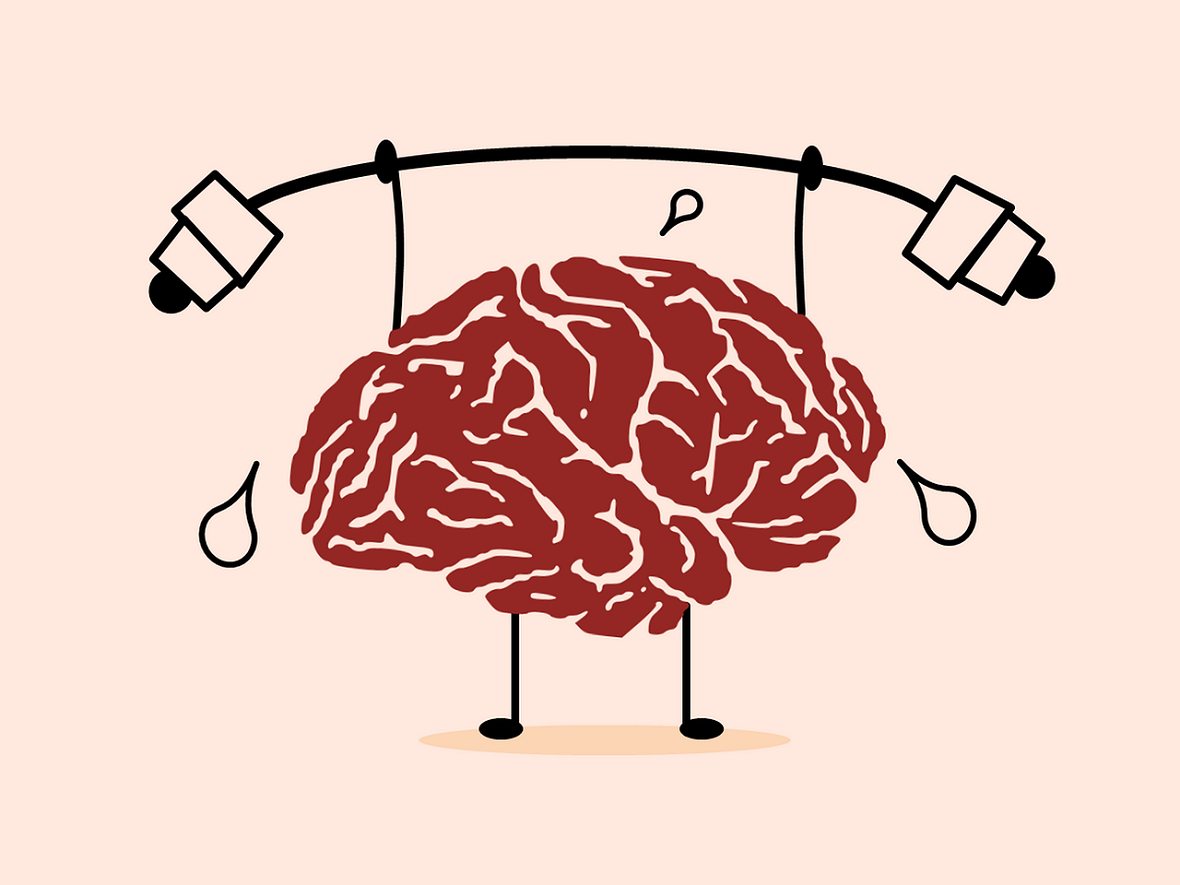
Stress and distraction are common issues many people face in today’s fast-paced life. Increased workloads, emotional pressure, disrupted sleep patterns, and ongoing stress can affect both psychological and physical well-being. In such situations, individuals may struggle to focus, make decisions, and organize daily tasks. Prolonged stress can lead to persistent attention problems, which may negatively impact overall quality of life. Understanding the underlying causes and adopting appropriate strategies is essential for maintaining mental and physical health.
What is psychological tension (stress, internal pressure) and why does it occur?
Psychological stress refers to a state in which a person experiences emotional and mental pressure. It often arises from challenges related to work, family, or social relationships. Prolonged psychological stress can reduce energy levels and affect daily functioning. While stress can sometimes be a natural bodily response, when it persists, it may lead to fatigue, anxiety, and difficulty concentrating.
Main causes of psychological stress and emotional pressure
Stress can develop for various reasons, including:
- High responsibilities at work
- Problems in personal relationships
- Financial difficulties
Persistent stress is one of the most common factors contributing to these issues. In addition, insufficient rest and the fast pace of daily life can further increase psychological tension.
What is attention deficit (concentration problems) and why does it occur?
Attention deficit is characterized by difficulty in focusing on a specific task or activity. This condition can lead to reduced productivity at work or during studies. In some cases, attention problems arise due to fatigue, lack of sleep, or psychological stress. Therefore, it is important to identify the underlying causes of concentration difficulties.
What are the main causes of distraction and poor focus?
Attention difficulties can be linked to a variety of factors. Prolonged screen time, irregular sleep patterns, and stress can contribute to concentration problems. Additionally, poor nutrition, vitamin deficiencies, and ongoing psychological pressure can weaken the ability to focus effectively.
Can stress and psychological tension cause difficulty in focusing?
Yes, prolonged stress is one of the main causes of attention difficulties. Under stress, the brain constantly processes signals of danger and pressure, which can affect the ability to focus. As a result:
- Attention becomes easily distracted
- Memory weakens
- Mistakes in daily activities occur more frequently
Why is it hard to concentrate during stress?
During stressful periods, the body produces higher levels of the hormone cortisol. When cortisol remains elevated for a long time, it can negatively impact attention and memory functions. In such situations, a person may try to focus on multiple tasks at once, making it difficult to concentrate on a single topic.
What can be done to reduce distraction and focus problems?
To reduce attention problems, it is first necessary to regulate your daily routine. Getting enough sleep, a balanced diet, and regular physical activity help improve your ability to concentrate. Also, daily planning and working in breaks are considered useful methods to increase concentration.
What daily habits are useful to increase concentration?
Limiting phone and social media use, taking short breaks during work, and reducing distractions increase concentration. In addition, techniques such as breathing exercises and meditation can also help you relax your mind and focus better.
What methods can help reduce psychological tension and stress?
Making certain lifestyle changes can help lower stress levels. Physical activity, spending time outdoors, and engaging in hobbies promote mental relaxation. Social support and positive communication also contribute to reducing stress. If tension and difficulty concentrating persist for a long time and affect daily life, seeking professional support can be beneficial. At Saglam Aile Medical Center, you can undergo a psychological and general health assessment and receive tailored guidance.