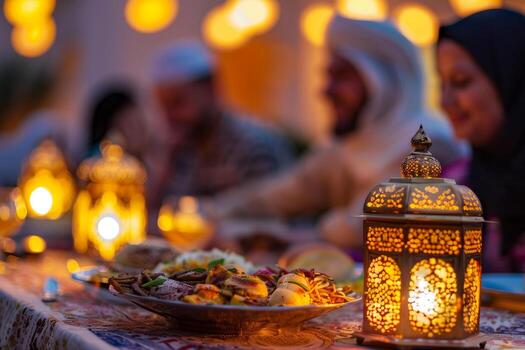
The iftar meal should be carefully planned to meet the body’s energy needs after a day of fasting and dehydration. Foods chosen for iftar should be both light and nutritious to avoid overloading the digestive system and to allow the body to gradually replenish energy. A well-balanced iftar supports metabolism, prevents fatigue, and promotes comfortable digestion throughout the night.
What to eat at iftar and suhoor?
At iftar, it is recommended to start with foods that are easy on the stomach. Water, dates, soup, or light salads help the digestive system function more comfortably after a long period of fasting. Jumping straight into heavy or fatty foods at this stage can cause digestive discomfort. Maintaining a proper eating routine between Suhoor and iftar helps the body sustain energy balance throughout the day. Foods rich in protein, fiber, and complex carbohydrates promote a longer feeling of fullness and prevent overeating at iftar. Therefore, an iftar meal should be planned in alignment with the day’s overall nutritional rhythm.
How should an iftar menu and table be planned?
A properly planned iftar menu should include all essential food groups needed by the body. It is important to choose foods that provide energy while being easy to digest, so as to avoid a heavy feeling in the stomach. A healthy iftar table should consist of balanced options such as soup, vegetable dishes, lean meat or chicken, yogurt, and salads. Such a menu is both satisfying and supportive of the body’s recovery. Additionally, controlling portion sizes helps prevent drowsiness and digestive discomfort after iftar.
Sample healthy iftar menus
For a healthy iftar, a staged approach to eating is recommended: start with water and dates, followed by soup, the main course, and finish with a light salad or yogurt. This sequence allows the digestive system to gradually become active. Such a menu helps prevent sudden spikes in blood sugar and supports the body in absorbing energy more steadily. As a result, excessive fatigue or a heavy feeling after iftar can be avoided.
Recommended foods for iftar
When choosing iftar meals, it is preferable to select foods that are low in fat and prepared by baking or steaming. Vegetable dishes, chicken, fish, and legumes are rich in both protein and vitamins. Sweet and very fatty foods should be consumed only occasionally and in small amounts. This approach protects the digestive system and helps prevent post-iftar stomach discomfort.
How to achieve balance at the iftar table?
A healthy iftar table should be planned with a balance of protein, carbohydrates, and healthy fats. Include sources of protein on one side of the plate and vegetables and complex carbohydrates on the other. A balanced iftar helps restore the energy lost throughout the day and promotes a feeling of fullness throughout the night. Excessive carbohydrates and sweets may provide a quick energy boost but can lead to increased fatigue afterward.
Sample iftar menu ideas
Iftar menus with a variety of options can be both healthy and satisfying. A light and balanced choice might include soup, oven-baked chicken, a vegetable salad, and yogurt. Alternatively, a fish dish with a vegetable side can also be suitable. Choosing light, energy-supporting foods allows the body to feel comfortable after iftar and ensures digestion proceeds smoothly, helping the body replenish energy for the next day.
Light and energy-boosting menus
For an energy-boosting iftar, foods rich in protein and fiber should be prioritized. Legumes, vegetables, and lean meats provide the body with the energy it needs. Such menus help maintain long-lasting satiety and support a stable metabolism. At the same time, it is healthier to limit the intake of very sweet foods after iftar.
Key points for iftar menus
When preparing an iftar menu, portion size, cooking methods, and food variety should be carefully considered. It is recommended to avoid overly fatty or fried foods. A balanced and well-planned iftar helps restore the body’s strength, protect the digestive system, and improve overall health. If you experience stomach discomfort, fatigue, or digestive issues after iftar, you can consult specialists at the Saglam Aile Medical Center to find solutions tailored to your health needs.