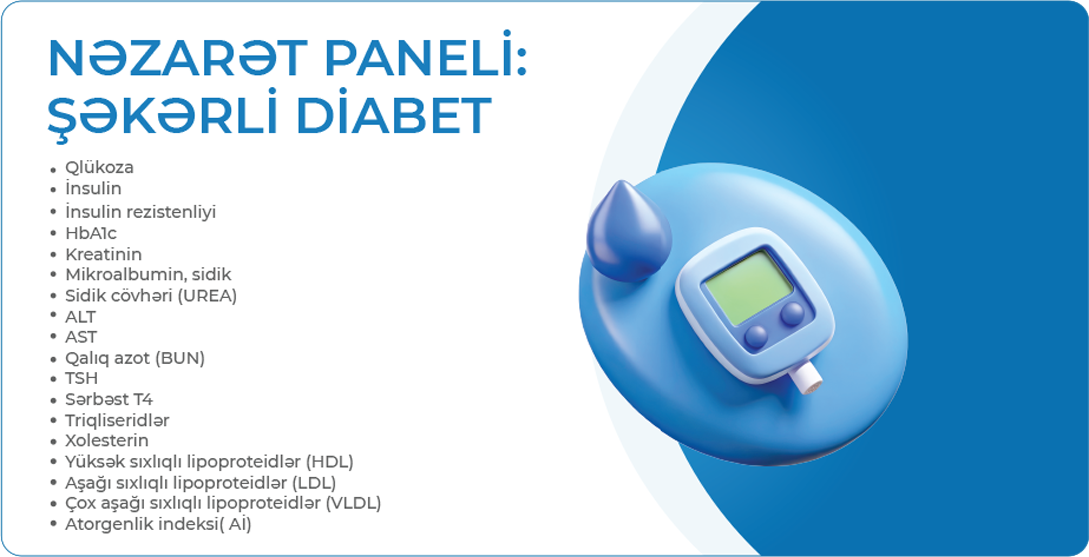
Diabetes is not just an increase in blood sugar levels-it is a condition that can gradually damage the kidneys, liver, hormonal system, and cardiovascular system over time. This monitoring panel, designed for patients with diabetes, helps assess different aspects of health and enables early detection of potential risks.
Timely testing:
- Helps prevent kidney complications;
- Detects fatty liver changes;
- Identifies hormonal imbalances;
- Reduces the risk of vascular blockages.
And most importantly, it helps ensure that you are in control of the disease-not the disease controlling you.
Examinations included in the check-up package:
- Fasting glucose: Indicates the level of sugar in the blood. It is a key marker of diabetes and forms the basis of daily monitoring.
- Insulin and insulin resistance (HOMA-IR): Insulin is a hormone secreted by the pancreas that acts as a “key” allowing glucose to enter cells. It enables blood sugar to be used by cells as a source of energy.
- HbA1c (glycated hemoglobin): Reflects the average blood glucose level over the past 2–3 months. It is essential for assessing long-term glucose control and predicting future health risks.
- Creatinine: Evaluates kidney function in patients with diabetes. It helps assess how well the kidneys are filtering waste products from the blood.
- Urine microalbumin: The earliest indicator of kidney damage. If the kidneys begin to be affected, this test is one of the first to detect it. It serves as an early warning sign for preventing diabetic nephropathy.
- Blood Urea Nitrogen (BUN) and Urea: Prolonged uncontrolled blood sugar can reduce the kidneys’ filtering capacity. As a result, urea and nitrogen waste products accumulate in the bloodstream because the kidneys are unable to properly eliminate them.
- ALT and AST (liver enzymes): Liver health is closely linked to diabetes. These tests can reveal early signs of fatty liver disease and other liver-related conditions.
- TSH and FT4 (thyroid function tests): Thyroid hormones affect not only metabolism but also how glucose enters cells, insulin sensitivity, and how glucose is utilized in the body.
- Lipid panel (Total cholesterol, LDL, HDL, Triglycerides): One of the most serious complications of diabetes is cardiovascular disease. These tests are essential for evaluating vascular health and assessing cardiovascular risk.
Note: For pricing information, please contact us via WhatsApp at (+994) 55 400 0910 or call our hotline at (012) 910.
Online registration is required for check-up examinations. You can contact us for more information via WhatsApp at (+994 55) 400 09 10 or through our call center at (012) 910.