Why is this Check-up package important?
The regulation of female reproductive health primarily involves the hormones of the hypothalamus, pituitary gland, and ovaries. However, vitamins and trace elements also play an important role. It has been established that deficiencies in certain trace elements, as well as excesses of others, can lead to menstrual irregularities, infertility, and adverse pregnancy outcomes.
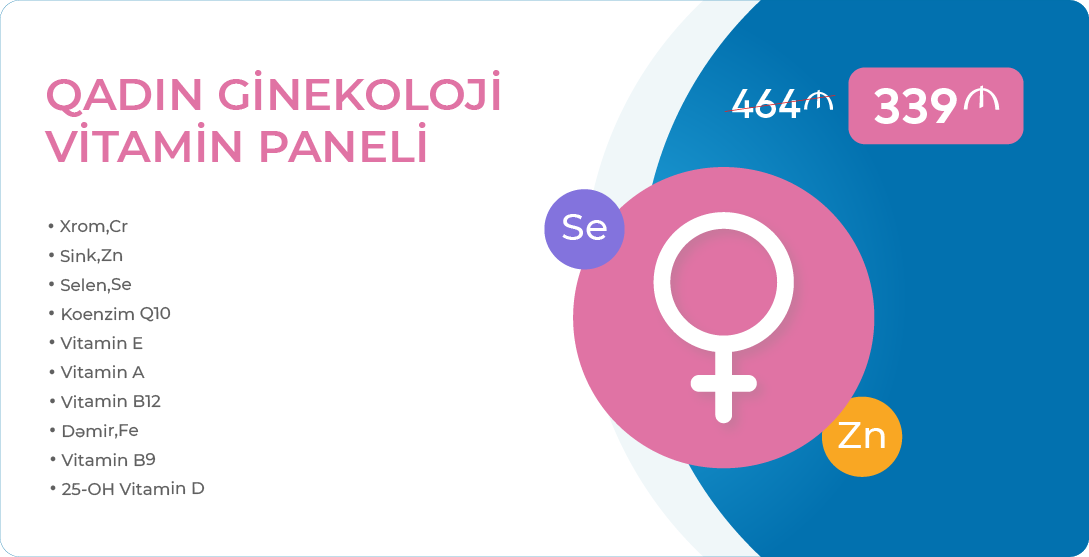
Check-Up package includes:
- Chromium (Cr)
- Zinc (Zn)
- Selenium (Se)
- Coenzyme Q10
- Vitamin E
- Vitamin A
- Vitamin B12
- Iron (Fe)
- Vitamin B9
- 25‑OH Vitamin D
- Vitamin E and Selenium are powerful antioxidants that protect cells from the harmful effects of free radicals. Their role is especially important in pregnancy complications such as preeclampsia and placental insufficiency, as well as when medications or alcohol that may affect fetal development are consumed.
- Zinc: The role of zinc in maintaining women’s health and supporting normal pregnancy development has been established through various studies and observational research. Zinc deficiency has been linked to placental abruption, preterm birth, and increased risk of maternal weakness during labor. Therefore, adequate zinc intake during pregnancy is essential for the health of both mother and baby.
- Iron deficiency anemia is a well-known risk factor for pregnancy complications such as intrauterine growth restriction, preterm birth, low birth weight, postpartum hemorrhage, and maternal or infant mortality. Moreover, iron deficiency during early childhood can negatively affect the formation of the myelin sheath surrounding nerve cells. During the first 4–6 months of life, the main source of iron for a growing infant is the iron stored from the mother, making adequate maternal intake of this element extremely important.
- Vitamin A plays a crucial role in cell differentiation during fetal development, particularly in the formation of the fetal immune system.
- Coenzyme Q10 has strong antioxidant properties, protecting oocytes from the harmful effects of free radicals, which can cause chromosomal damage.
- Vitamin D supports the synthesis of numerous hormones in the body, particularly those that regulate reproductive health and ovulation. Studies show that maintaining optimal levels of vitamin D can improve outcomes for women undergoing in vitro fertilization (IVF).
- Vitamin B9 (Folic Acid) enhances reproductive health and ensures the normal response of female reproductive organs to estrogen. This supports the successful fertilization of eggs and increases the chances of pregnancy. Women planning to conceive are advised to take folic acid, as it not only improves fertility but also contributes to the healthy development of the fetus.
- Chromium helps regulate blood glucose levels and reduces the body’s need for insulin. This trace element also supports hematopoiesis (the formation of new blood cells), thyroid function, the structure of nucleic acids, and overall energy metabolism.
- Vitamin B12 deficiency can negatively affect reproductive health. Insufficient B12 may lead to cellular abnormalities in the cervix and can even disrupt the monthly ovulation process. Adequate B12 levels help maintain the health of the endometrial lining, supporting successful implantation of a fertilized egg and reducing the risk of miscarriage.
Online registration is required for check-up examinations. You can also contact us for more information via WhatsApp at (+994 55) 400 09 10or through our call center at (012) 910.